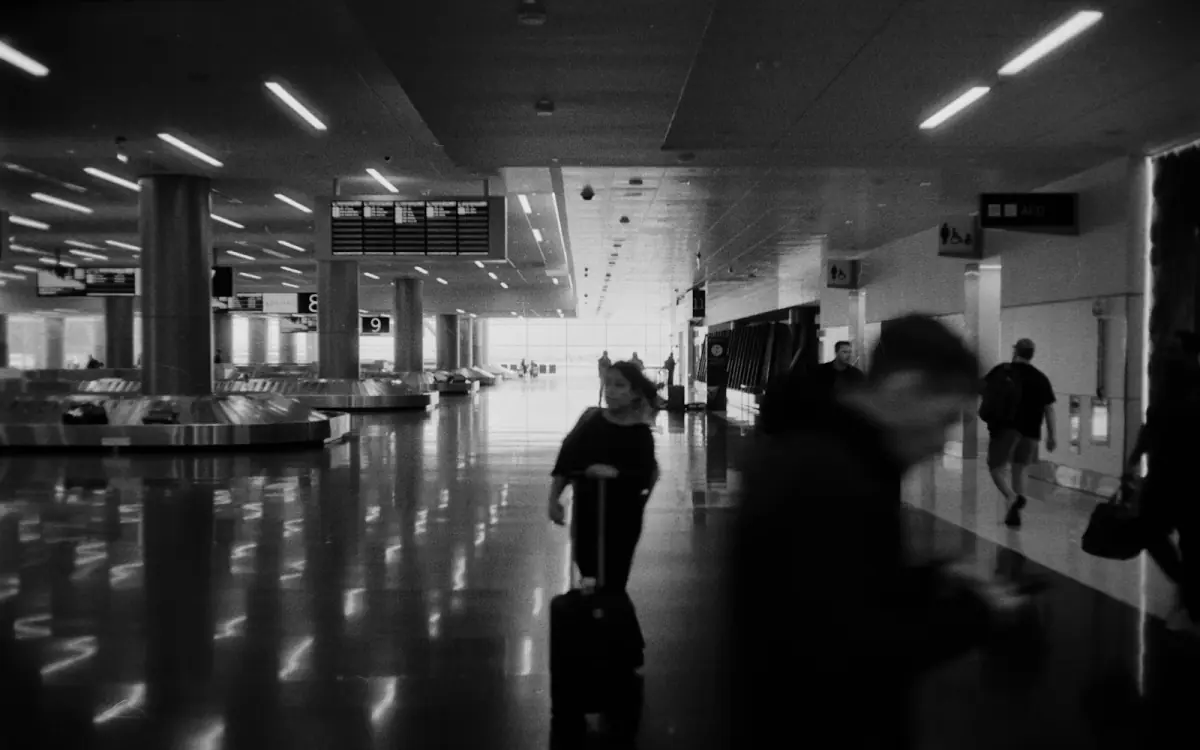
A year of operating data from the single terminal at Kansas City International shows the consolidation did most of what it promised: average curb-to-gate time fell from 34 minutes to 19, and concession revenue per enplaned passenger rose 61 percent.
Where the model broke
The terminal was designed around a forecast of 11,000 departing passengers on a peak day. It has been running closer to 13,400 since March, and the surplus all lands between 5:30 and 7:15 a.m.
Security screening capacity is the binding constraint. The checkpoint has fourteen lanes; six of them are staffed during the morning peak because of a persistent screener shortage that the Transportation Security Administration has not resolved locally.
- Average peak wait in October: 31 minutes, up from 18 in the terminal's first quarter
- Longest recorded wait: 74 minutes, on 14 September
- Missed-flight rebookings attributable to screening delays: 1,240 year to date
The concession upside is real
Airport officials point out that the retail program has outperformed every projection. Local operators hold 44 percent of the square footage, a share the aviation department negotiated into the lease terms, and several Kansas City brands have opened second locations inside the building.
We built for the airport we had. We are now operating the airport we got.
A member of the aviation department, briefing the council
What happens next
Two additional lanes are scheduled to come online in the first quarter, and the airport is negotiating for a sixth screening unit. Neither solves the underlying staffing problem, which is a federal hiring question rather than a local one.
For travellers, the practical advice is unchanged and unglamorous: arrive two hours early for a morning departure, and ninety minutes for anything after 10 a.m.

Marisol Vega
Marisol has covered Kansas City government since 2016, with a focus on transit, land use and the city budget. She grew up in Argentine and lives in Northeast.